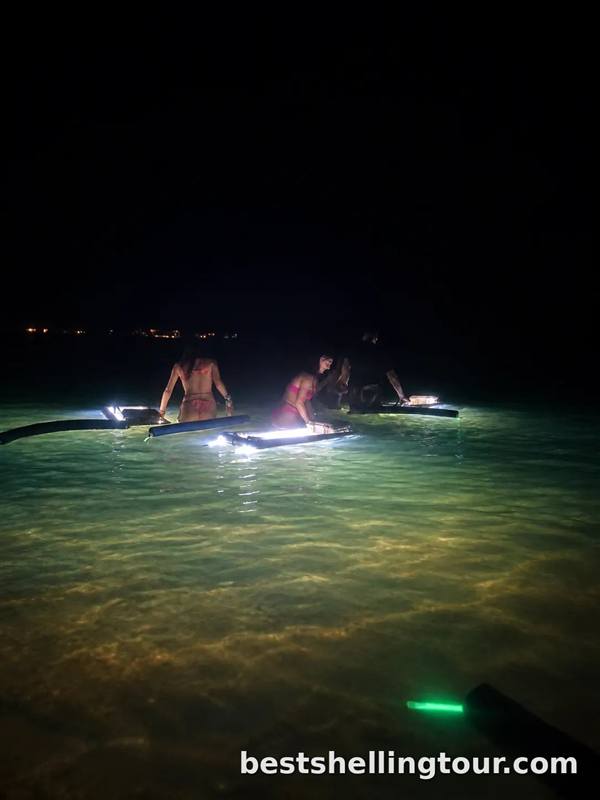
What will my kid find? A kids' guide to shells and sea creatures
10 shells and 6 critters you might see on a night shelling tour.
The rule
Keep empty shells. If it is alive, we look at it, and then it goes back in the water.
10 shells
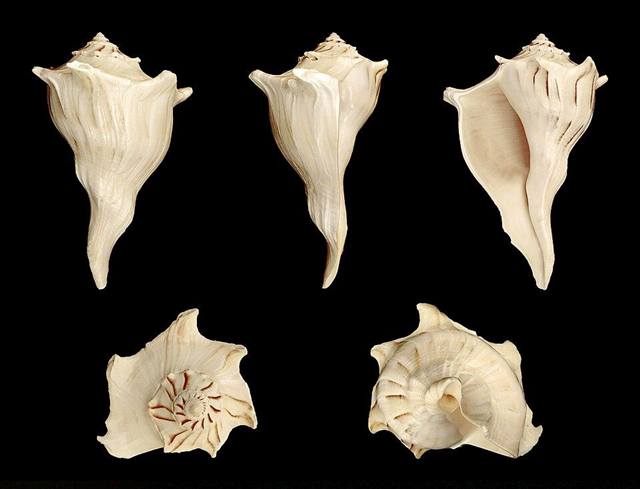
Lightning whelk
Looks like a left-handed spiral. Hold it with the point up and the opening faces left.
Empty? Keep it Alive? Put it back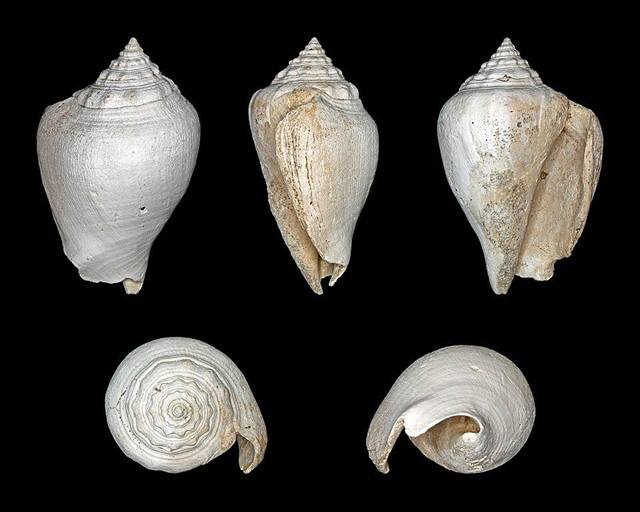
Fighting conch
A chunky shell with a bumpy top and a pointed spire. Often orange-brown.
Empty? Keep it Alive? Put it back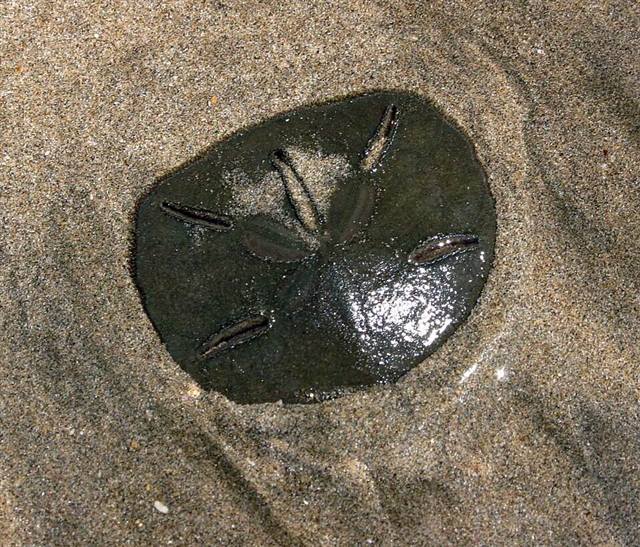
Sand dollar
A flat, round disk with a flower on top. Alive ones are fuzzy and brown. Put those back.
Empty? Keep it Alive? Put it back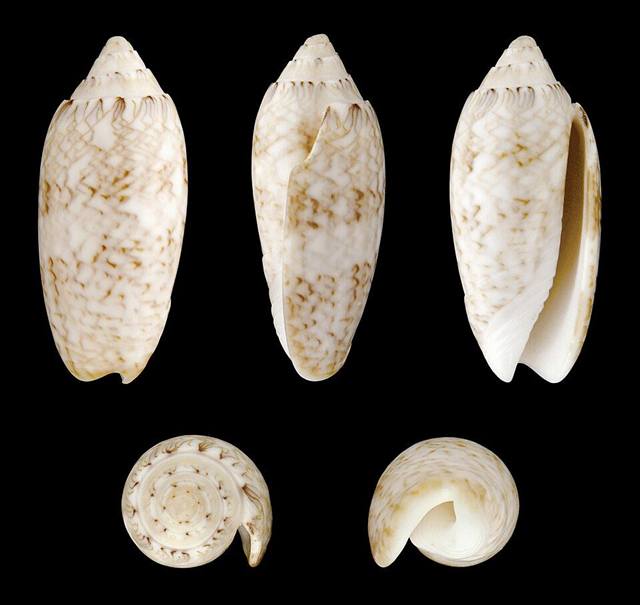
Olive shell
Smooth and shiny like a polished bean, with fancy zigzags.
Empty? Keep it Alive? Put it back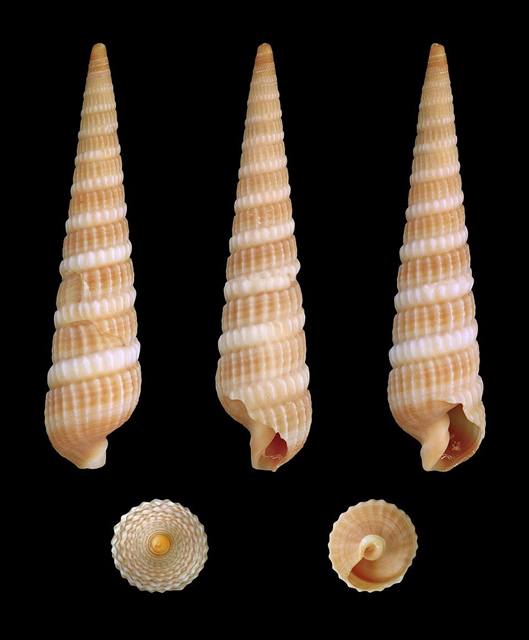
Auger shell
Long, thin and pointy like a party hat that went on a diet.
Empty? Keep it Alive? Put it back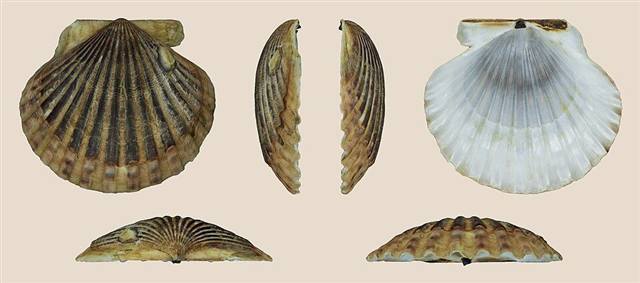
Scallop
Shaped like a fan with ridges. Often two wings at the hinge.
Empty? Keep it Alive? Put it back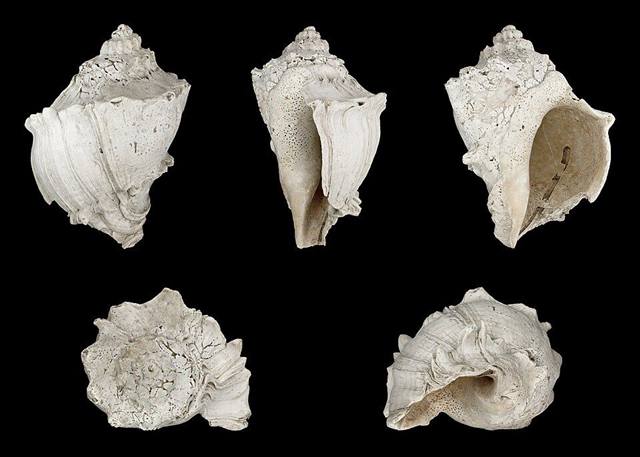
Crown conch
Has little spikes on top, like a crown.
Empty? Keep it Alive? Put it back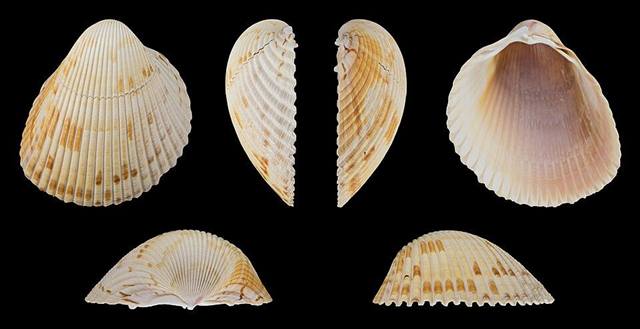
Cockle
A round, ribbed shell that looks like a tiny heart if you see both halves.
Empty? Keep it Alive? Put it back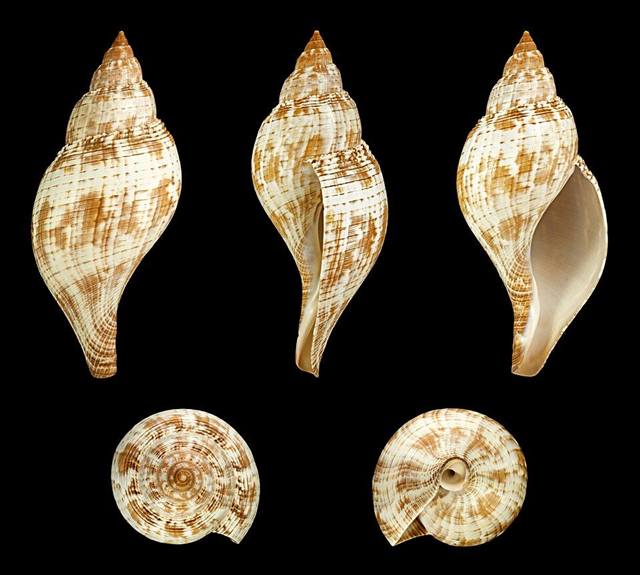
Tulip shell
Long and smooth, with brown and tan stripes like a tulip bud.
Empty? Keep it Alive? Put it back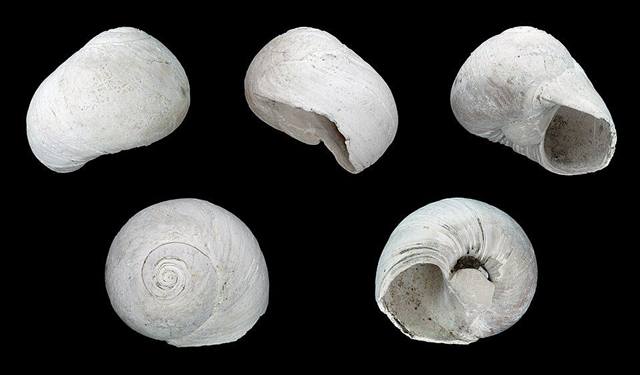
Moon snail
A round, neat shell that looks like a small moon. The inside swirl is smooth.
Empty? Keep it Alive? Put it back6 sea creatures
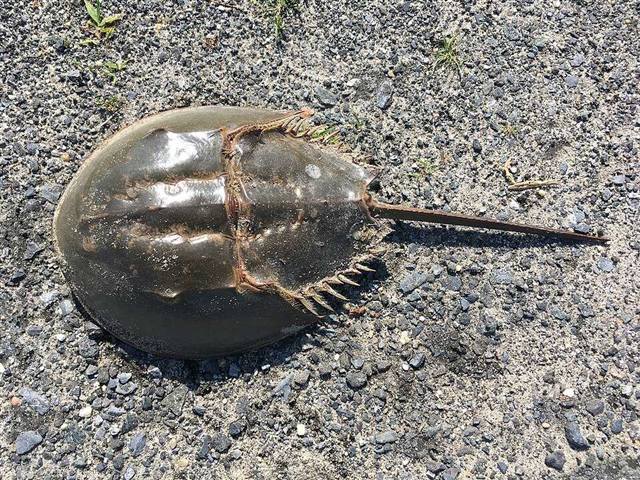
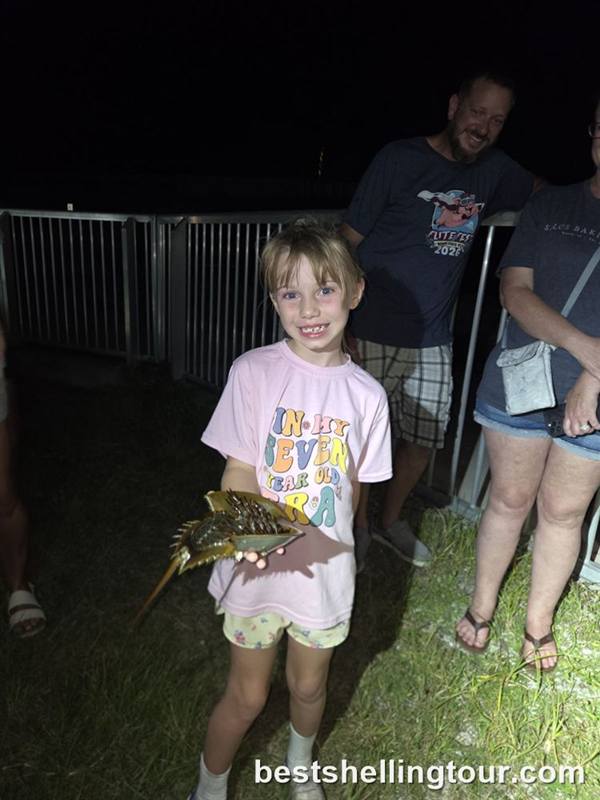
Horseshoe crab
A big helmet with a long tail, like a tiny dinosaur. Look, do not touch.
Look, then put it back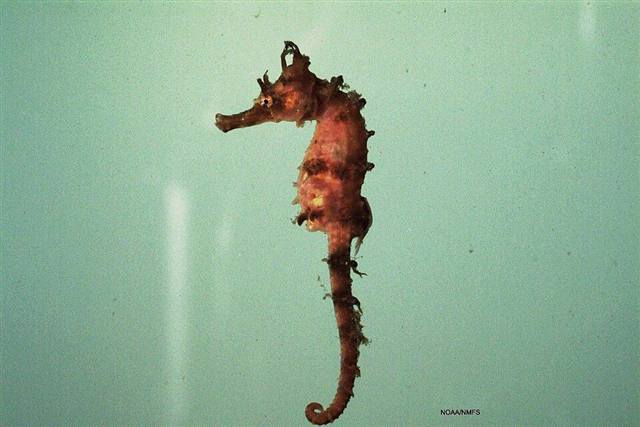
Seahorse
A tiny horse head on a curly tail. Hard to see, so be quiet and look slowly.
Look, then put it back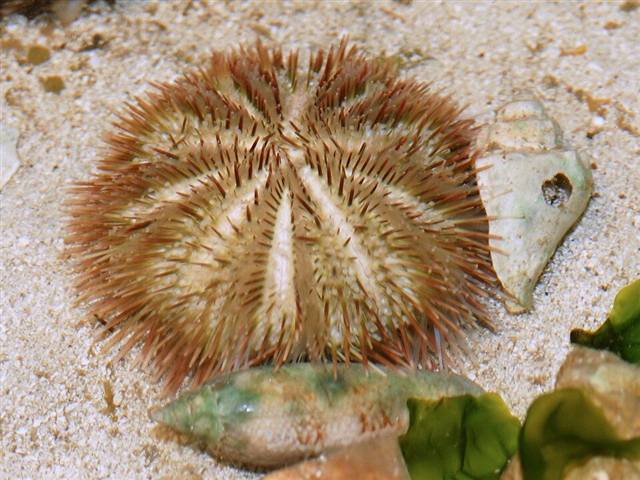
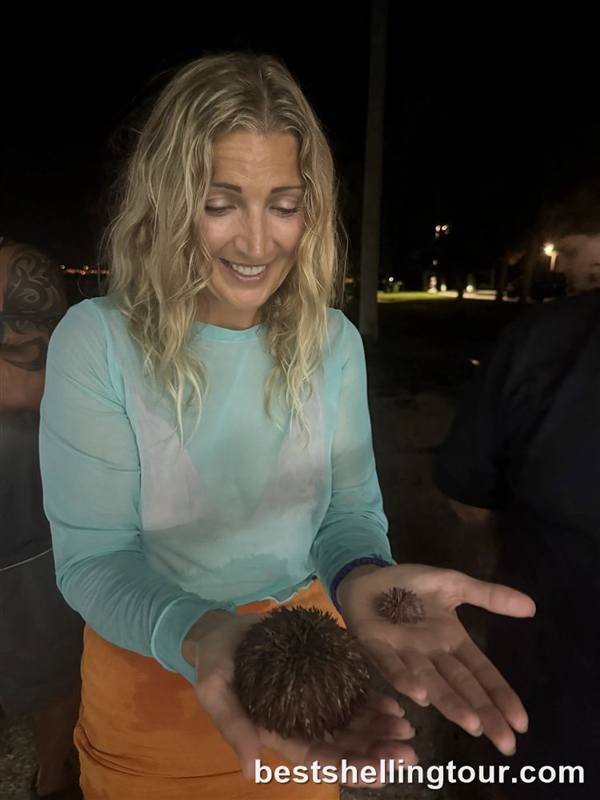
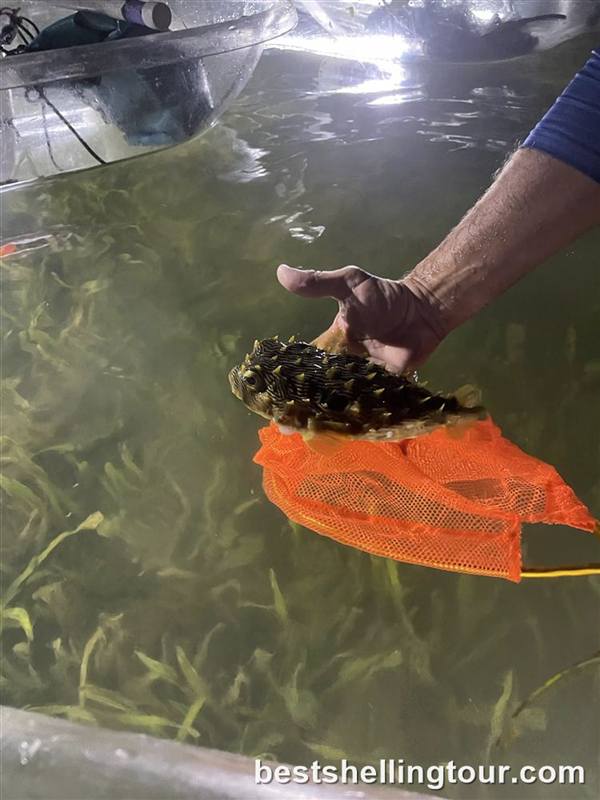
Sea urchin
A round ball covered in spikes. Look only.
Look, then put it back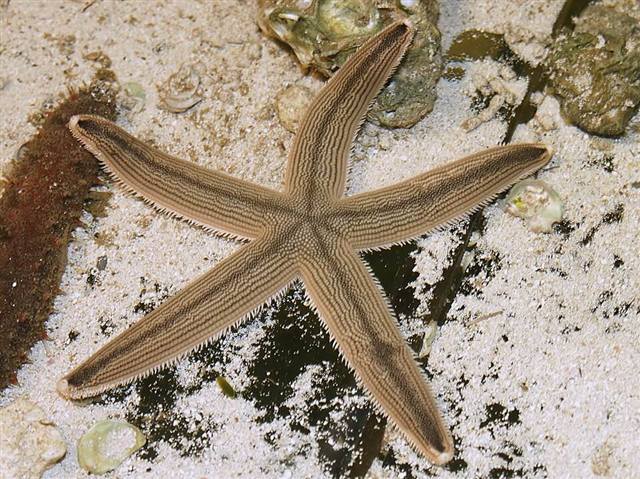
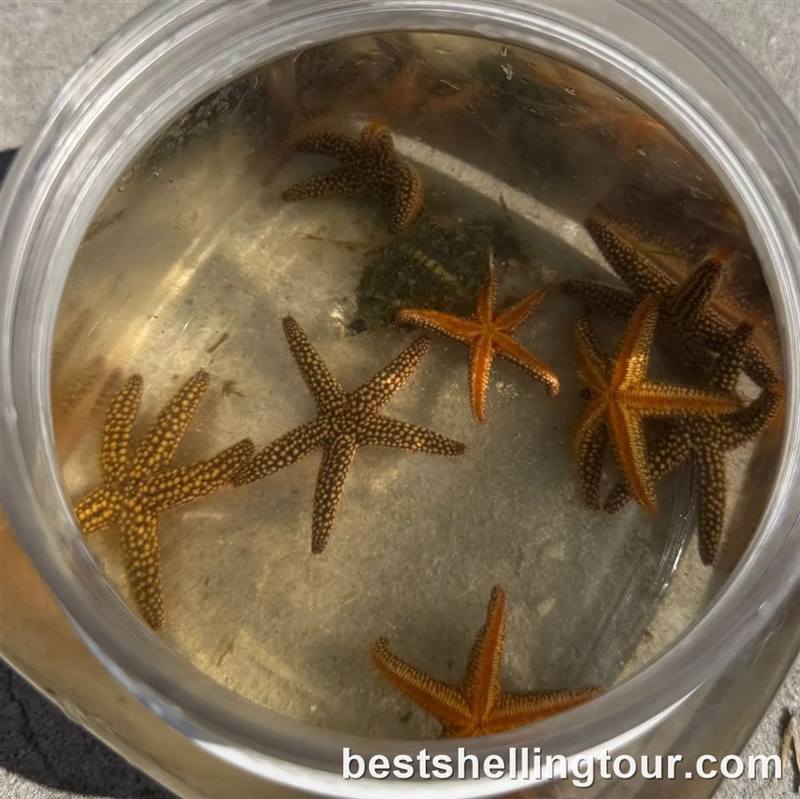
Starfish
A star with five arms. Keep it in the water.
Look, then put it back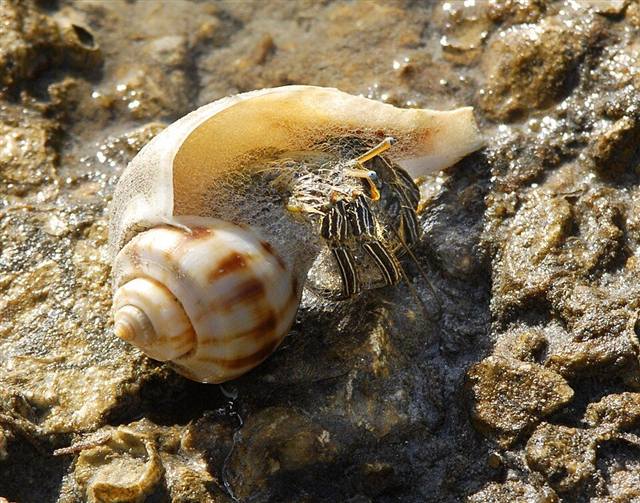
Hermit crab
A shell that walks. If a shell has legs, it is not empty.
Look, then put it back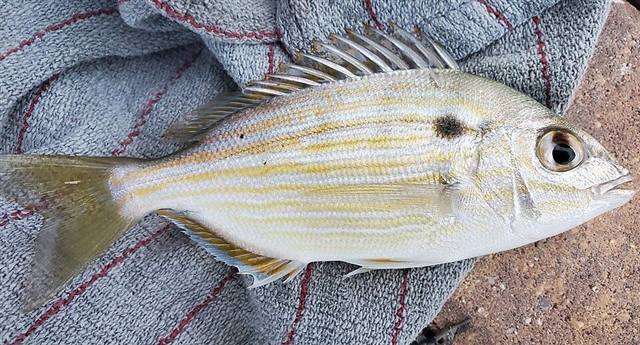
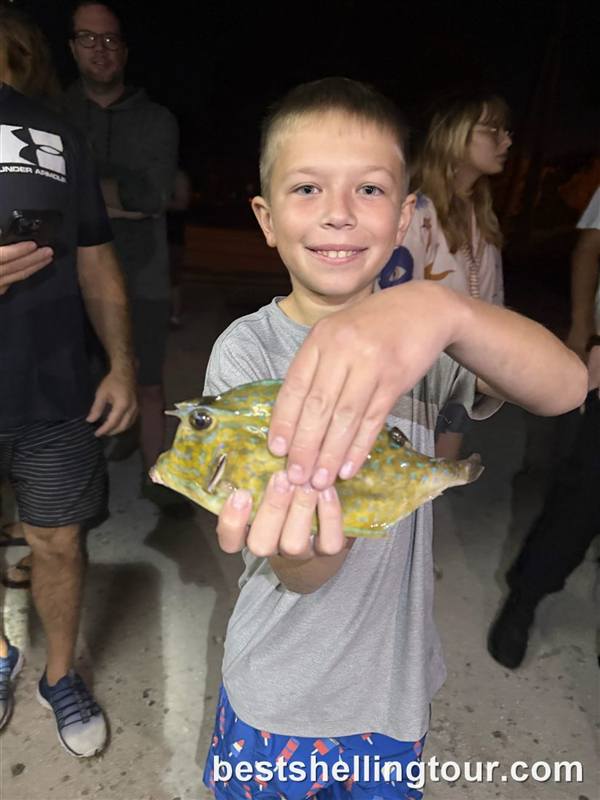
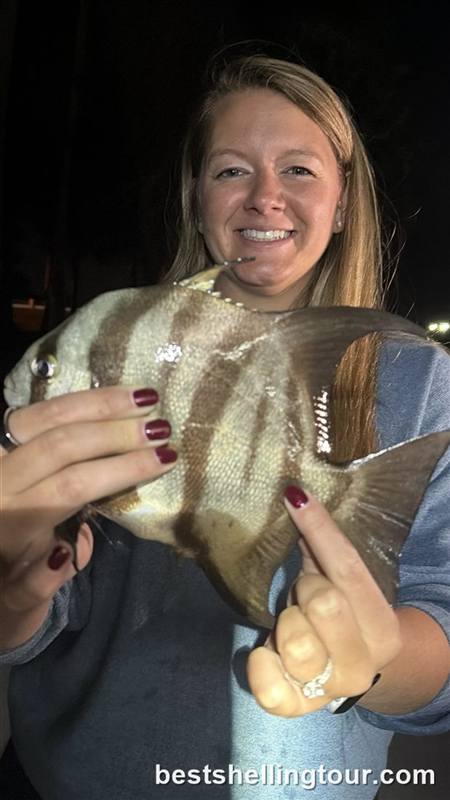
Small fish
Silver flashes in the light. They swim away fast.
Look, then put it backWant the grown-up guide?
See the full guide at lookforshells.com.
Photo credits
Photos are from Wikimedia Commons under free licenses.
- Lightning whelk: H. Zell, CC BY-SA 3.0, via Wikimedia Commons
- Fighting conch: H. Zell, CC BY-SA 3.0, via Wikimedia Commons
- Sand dollar: Gerhard H (English Wikipedia), CC BY-SA 3.0, via Wikimedia Commons
- Olive shell: H. Zell, CC BY-SA 3.0, via Wikimedia Commons
- Auger shell: H. Zell, CC BY-SA 3.0, via Wikimedia Commons
- Scallop: H. Zell, CC BY-SA 3.0, via Wikimedia Commons
- Crown conch: H. Zell, CC BY-SA 3.0, via Wikimedia Commons
- Cockle: H. Zell, CC BY-SA 3.0, via Wikimedia Commons
- Tulip shell: H. Zell, CC BY-SA 3.0, via Wikimedia Commons
- Moon snail: H. Zell, CC BY-SA 3.0, via Wikimedia Commons
- Horseshoe crab: Kaldari, CC0, via Wikimedia Commons
- Seahorse: SEFSC Pascagoula Laboratory; Collection of Brandi Noble, NOAA/NMFS/SEF, Public domain, via Wikimedia Commons
- Sea urchin: Hans Hillewaert, CC BY-SA 4.0, via Wikimedia Commons
- Starfish: Hans Hillewaert, CC BY-SA 4.0, via Wikimedia Commons
- Hermit crab: Andrea Westmoreland from DeLand, United States, CC BY-SA 2.0, via Wikimedia Commons
- Small fish: lightbed, CC0, via Wikimedia Commons


